4 hr
Desert Safari with Quad Biking, Camel Ride & Sandboarding
- Entry ticket
- Mobile voucher
- Valid same day
- Free cancellation
Desert Safari Sharjah — Dune Adventures & Cultural Camps
Red dunes at sunset, Bedouin traditions under the stars
Compare fares, pick the fit — all bookings are mobile-voucher and eligible for free cancellation where shown.
4 hr
4 hr
7 hr
| Experience | Duration | Rating | Transfers | Pickup | Small group | Free cancel. | Price | |
|---|---|---|---|---|---|---|---|---|
|
Standard Entry
Most popular
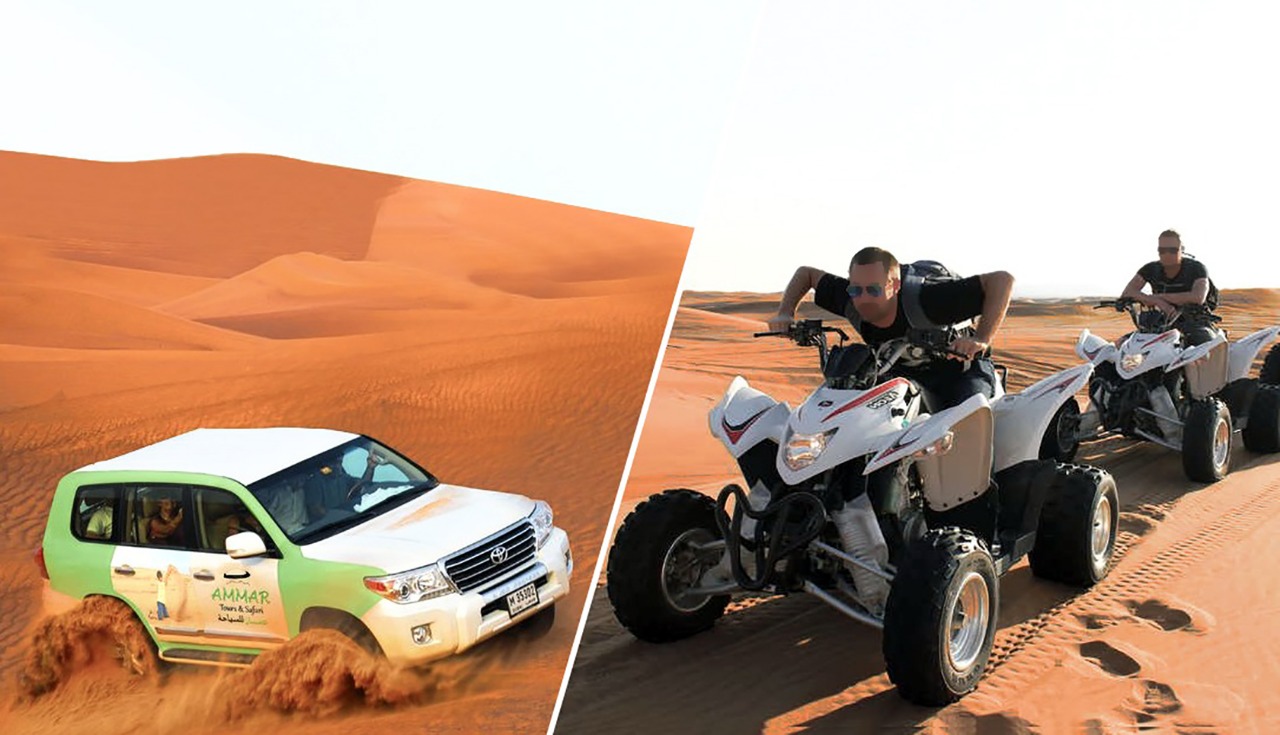
Desert Safari with Quad Biking, Camel Ride & Sandboarding
|
4 hr | ★ 4.9 | — | ✓ | ✓ | ✓ | €26 | Book → |
|
Standard Entry
Dubai Desert Safari with BBQ Dinner & Live Show
|
4 hr | ★ 4.9 | ✓ | ✓ | — | ✓ | €26 | Book → |
|
Guided Experience
Desert Safari with Dune Bashing, Camel Ride & BBQ Dinner
|
7 hr | ★ 4.9 | ✓ | ✓ | ✓ | ✓ | €40 | Book → |
Exceptional value for history and adventure seekers
At 20 AED for museum entry, the Mleiha Archaeological Centre anchors a desert safari sharjah ticket price that delivers immersive historical depth alongside adrenaline-fueled outdoor activities. The museum showcases Bronze Age tombs, Paleolithic tools, and fossil records spanning 130,000 years, while the surrounding terrain offers quad biking, camel rides, and sandboarding across ancient dunes. Safari packages bundled with the site range from 150 to 400 AED depending on inclusions—dune bashing, BBQ dinners, and cultural camp experiences elevate the archaeological context into a full-day adventure. The low standalone entry fee lets budget-conscious visitors explore the exhibits and hiking trails independently, while premium packages layer in desert thrills and Bedouin hospitality. For travelers seeking substance beyond standard Dubai desert tours, Mleiha's blend of paleontology, outdoor exploration, and authentic Sharjah heritage justifies every dirham spent.
Bottom line: Whether you pay the museum-only desert safari sharjah ticket price or book a full safari package, Mleiha delivers unmatched historical authenticity and desert adventure per dirham spent.
Hand-picked experiences loved by thousands of travelers
4 - 7 hours
Free Cancellation
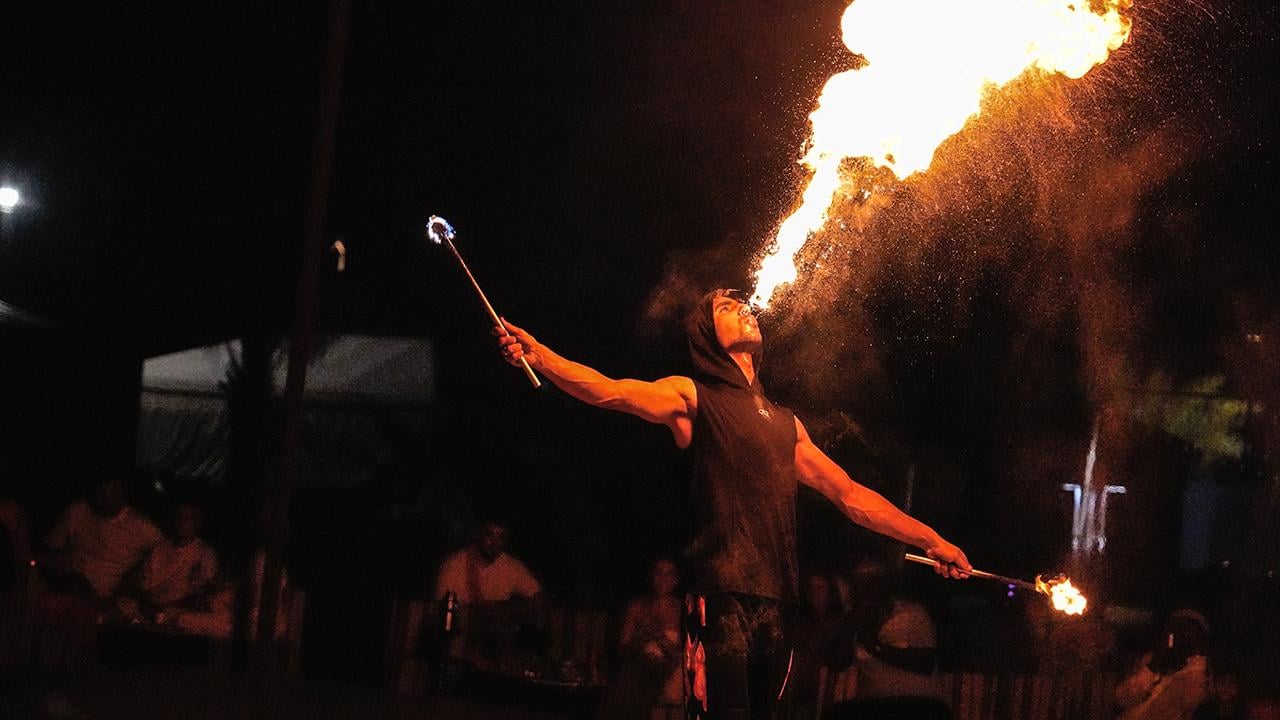
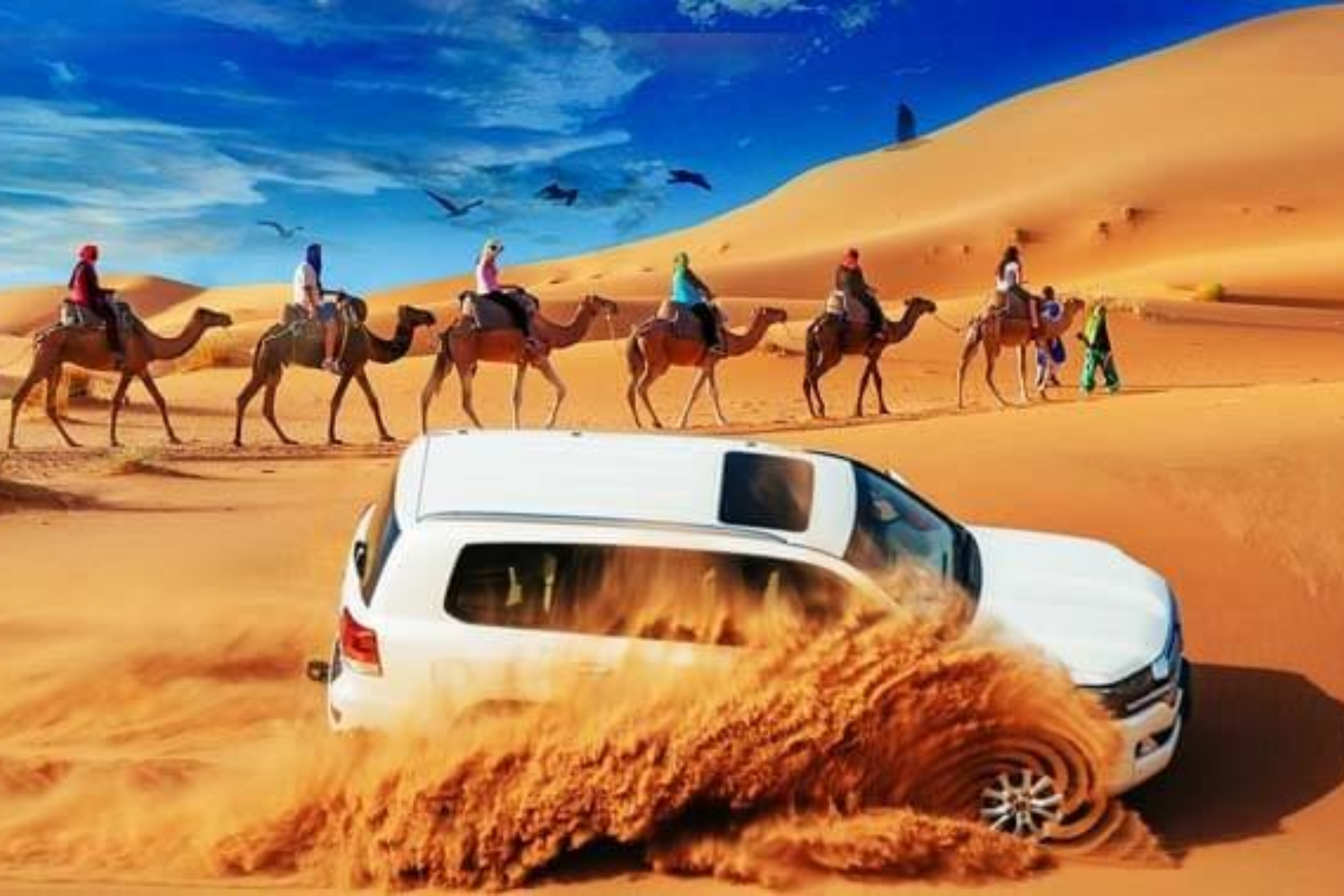
Thrilling dune drive, sandboarding, camel trek, and authentic Bedouin evening under the stars
4 - 7 hours
Free Cancellation
Ride the crimson dunes, sandboard, meet falcons, and choose a camp evening with dinner and shows
4 hours
Free Cancellation
Adrenaline-pumping dune bashing, camel rides, and a traditional Bedouin feast under the stars
6 hours
Free Cancellation
Escape to pristine dunes for an evening of adventure, dining, astronomy, and cultural discovery
4 hours
Free Cancellation
Journey into Lehbab's golden dunes for camel rides, dune bashing thrills, and sunset views
7 hours
Free Cancellation
Seven-hour adventure through red desert dunes with thrilling rides, cultural activities, and Arabian feast
17 hours to 1 day
Free Cancellation
Sleep under the stars in an air-conditioned Bedouin tent after dune bashing, camel treks, and a BBQ feast
6 hours
Free Cancellation
Ride dunes by quad bike, bash through sand in a 4x4, then feast on BBQ under the stars at a traditional camp
Explore local history and artifacts
Visit ancient tombs and monuments
Dune driving and desert activities
This ancient circular tomb dates back over 4,000 years to the Bronze Age and offers deep insight into early burial customs.
This striking natural landmark serves as a prehistoric record with fossilized marine life visible in the limestone.
A naturally weathered formation that looks like a kneeling camel and provides a distinct desert vista.
Explore these ancient dwellings that housed early humans in the region thousands of years ago.
You leave the coast at 3 PM, the highway climbing past date farms and limestone quarries before the asphalt narrows into a single lane bordered by acacia scrub.
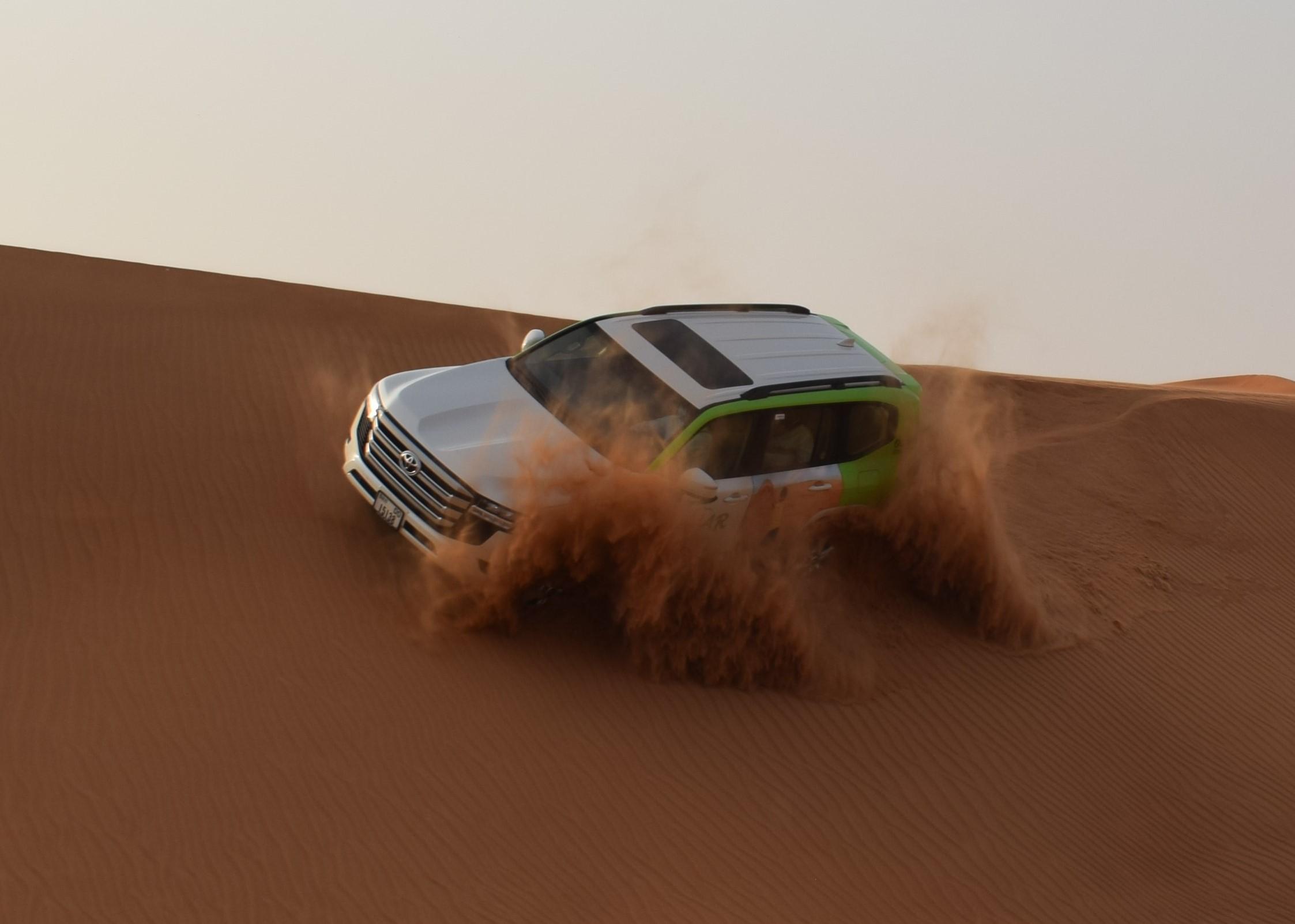
At the Mleiha Archaeological Centre you pause for the museum—bronze arrowheads in lit cases, a short film on Paleolithic migrations—then walk to the vehicles waiting in the gravel lot. Your group boards a modified Land Cruiser, its tyres deflated to 15 PSI for sand traction.
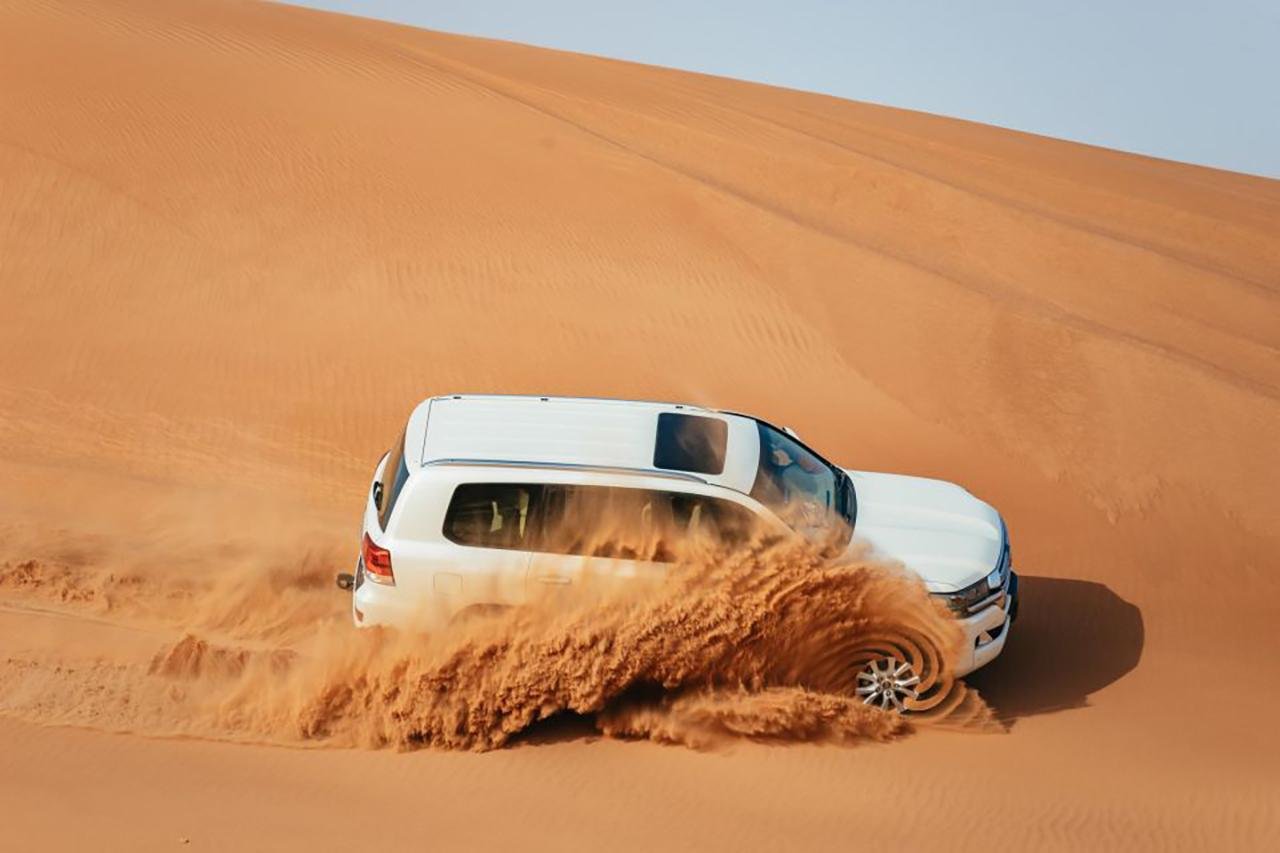
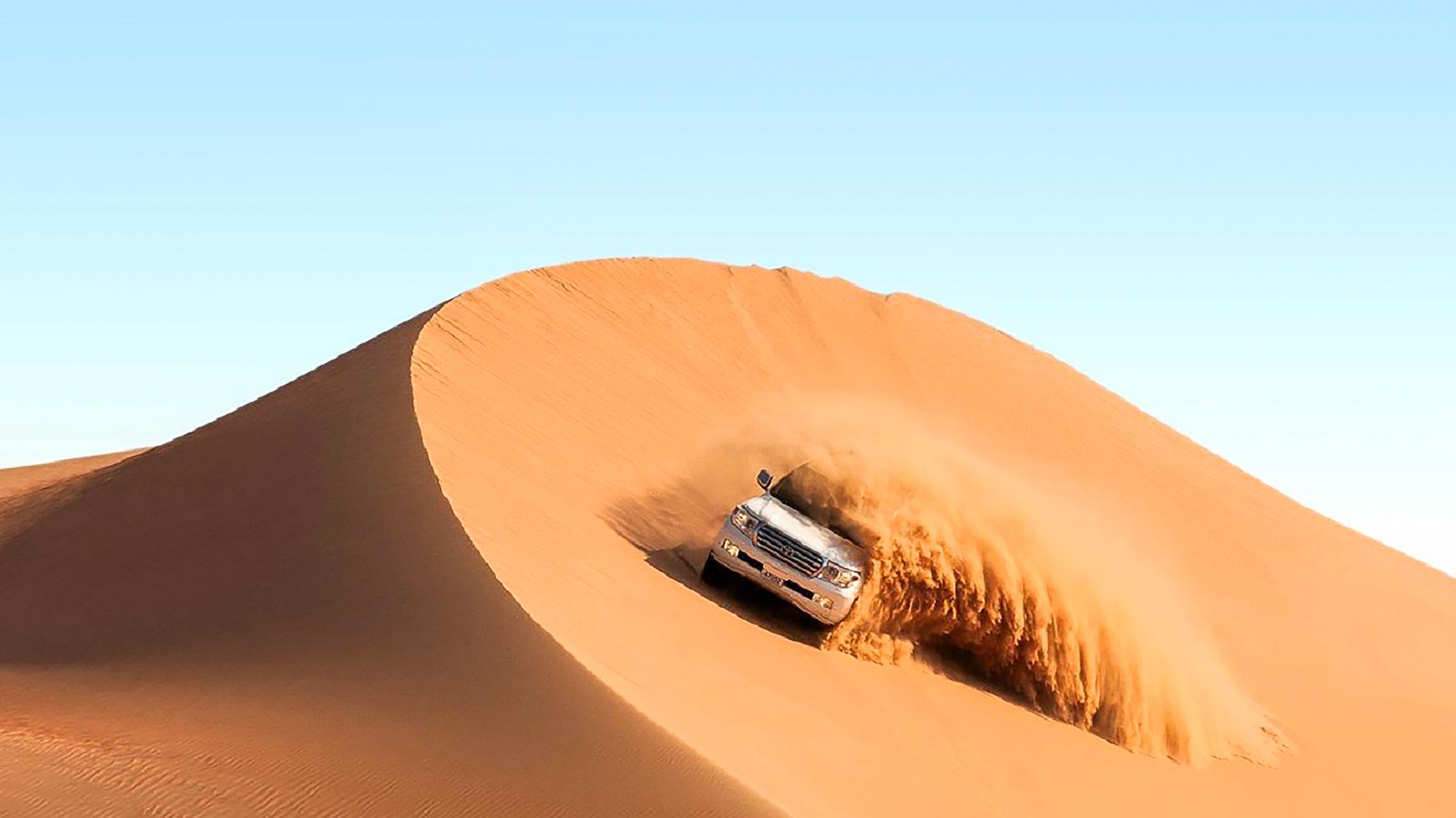
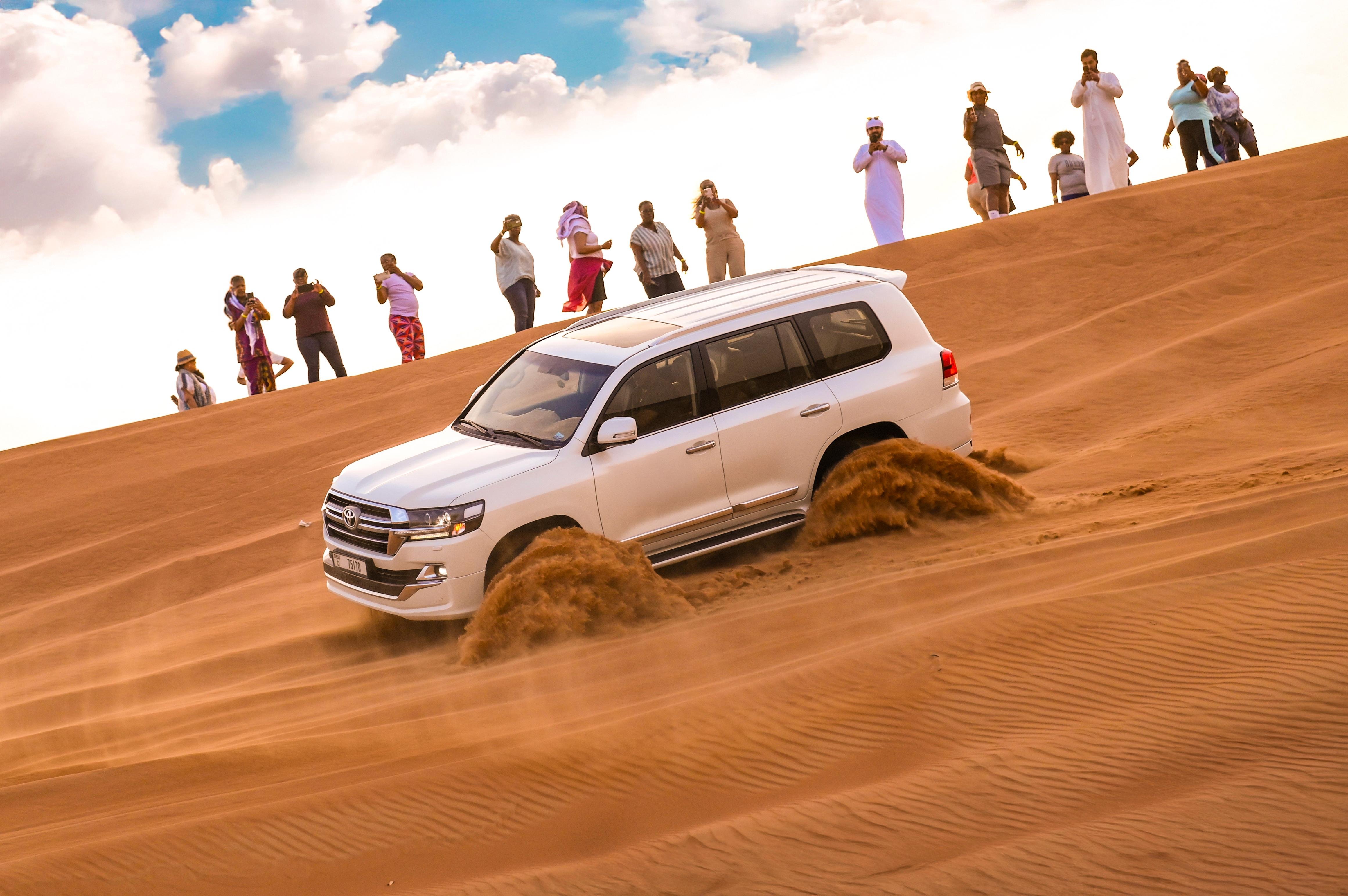
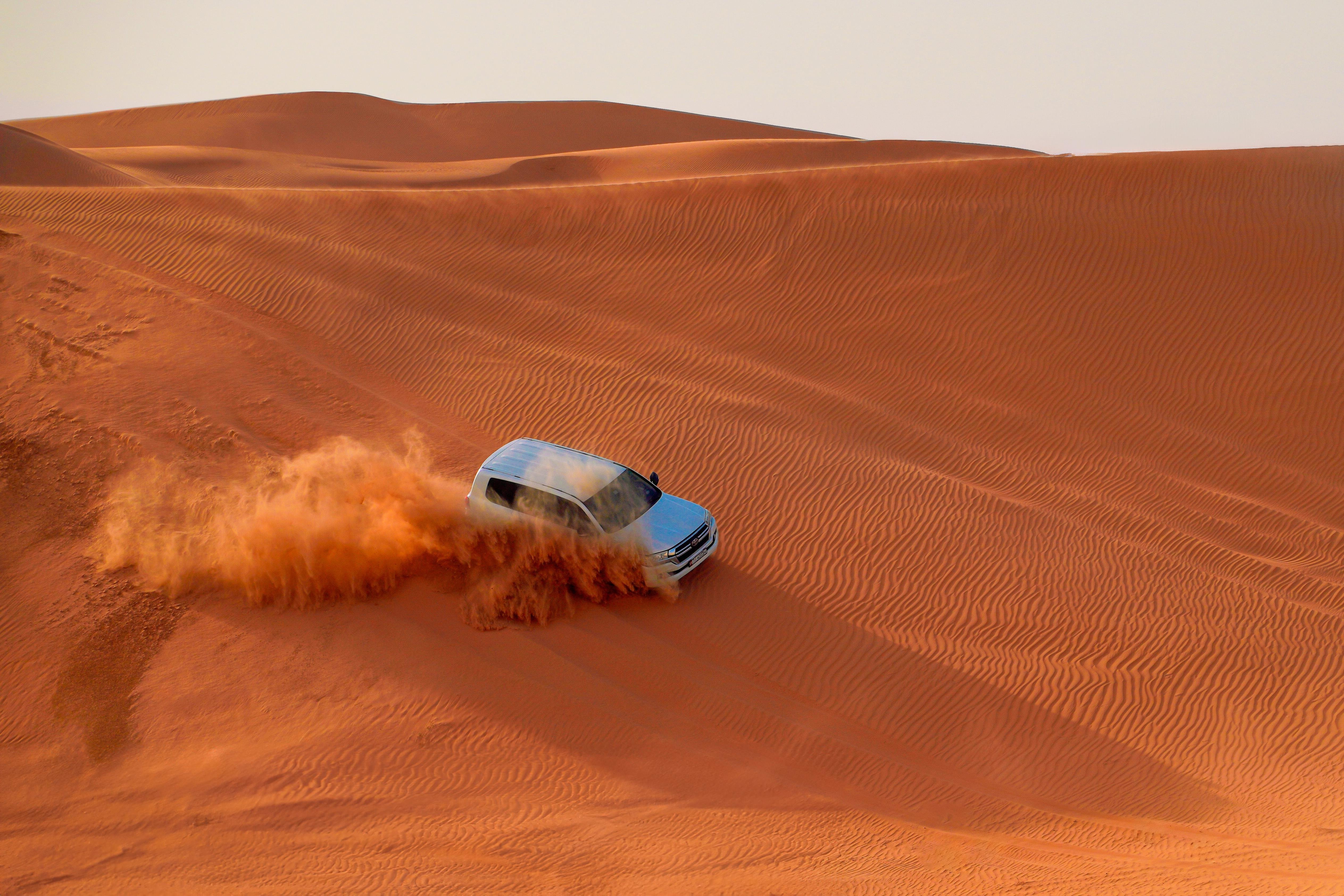
The driver exits the paved road and follows a track into the dunes. Within ten minutes you are ascending slopes where the sand shows ripple patterns from the previous night's wind. The vehicle tilts, drops, rights itself. At the ridge summit the engine cuts and you step out into silence broken only by a kestrel circling overhead. Below, the dune field extends thirty kilometres, shadows lengthening across the troughs.
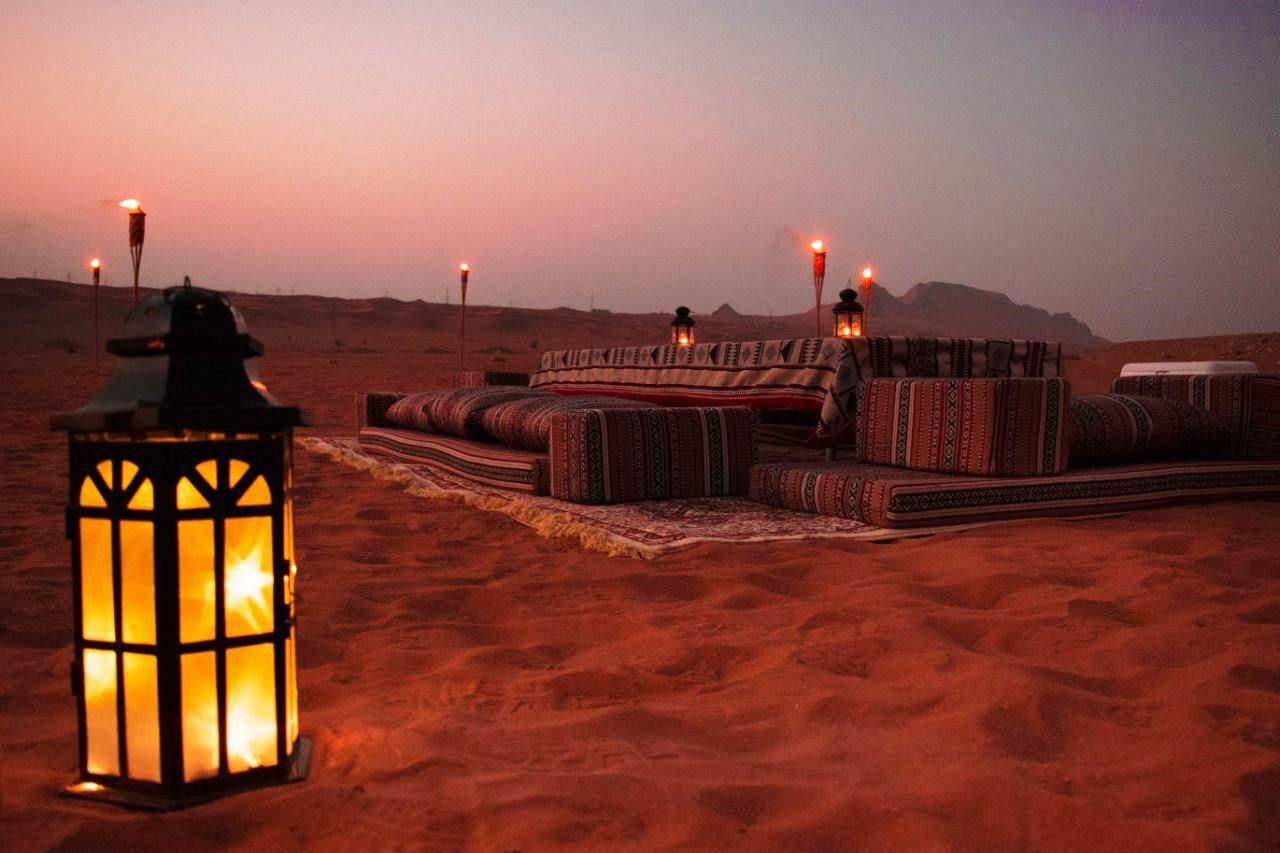
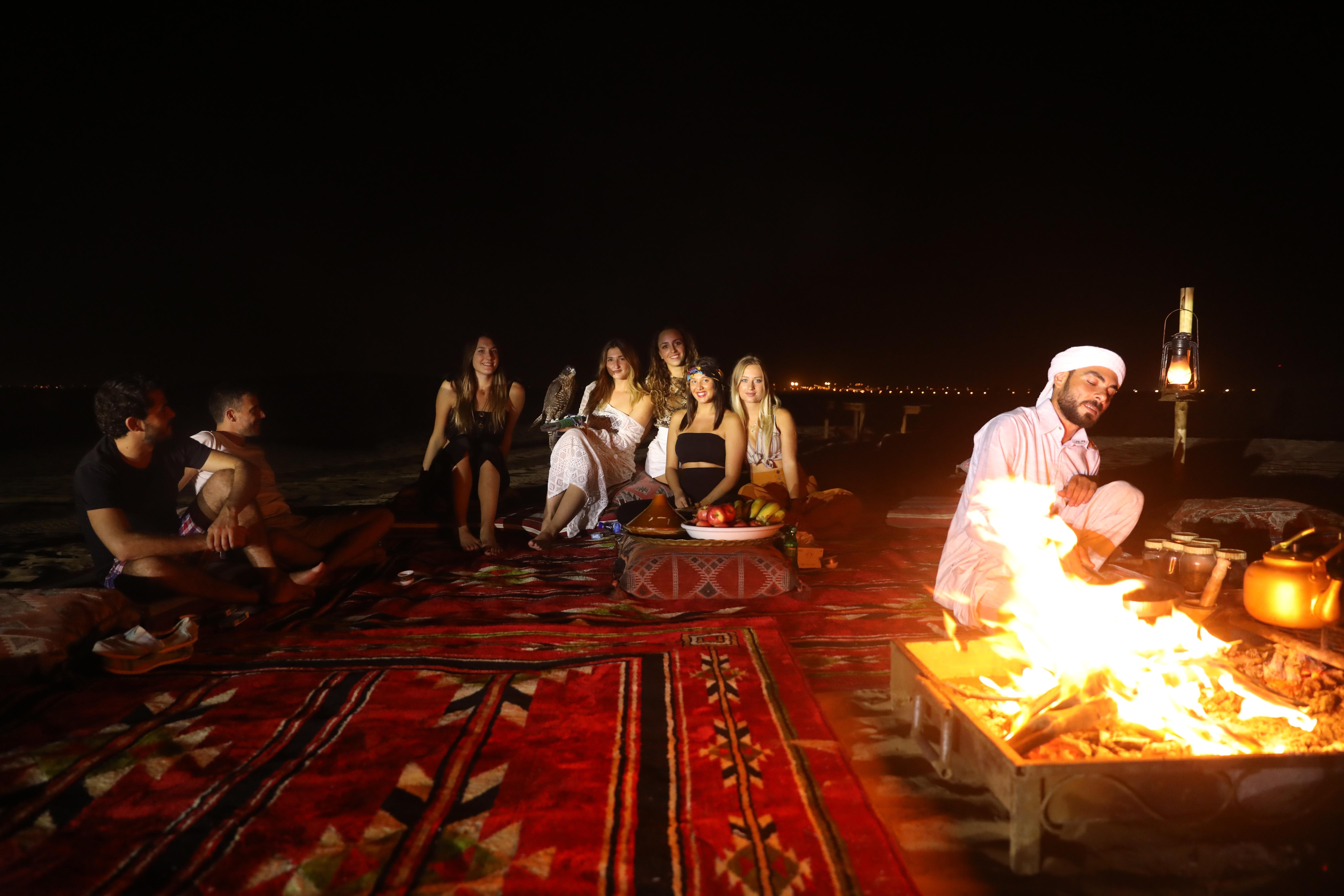
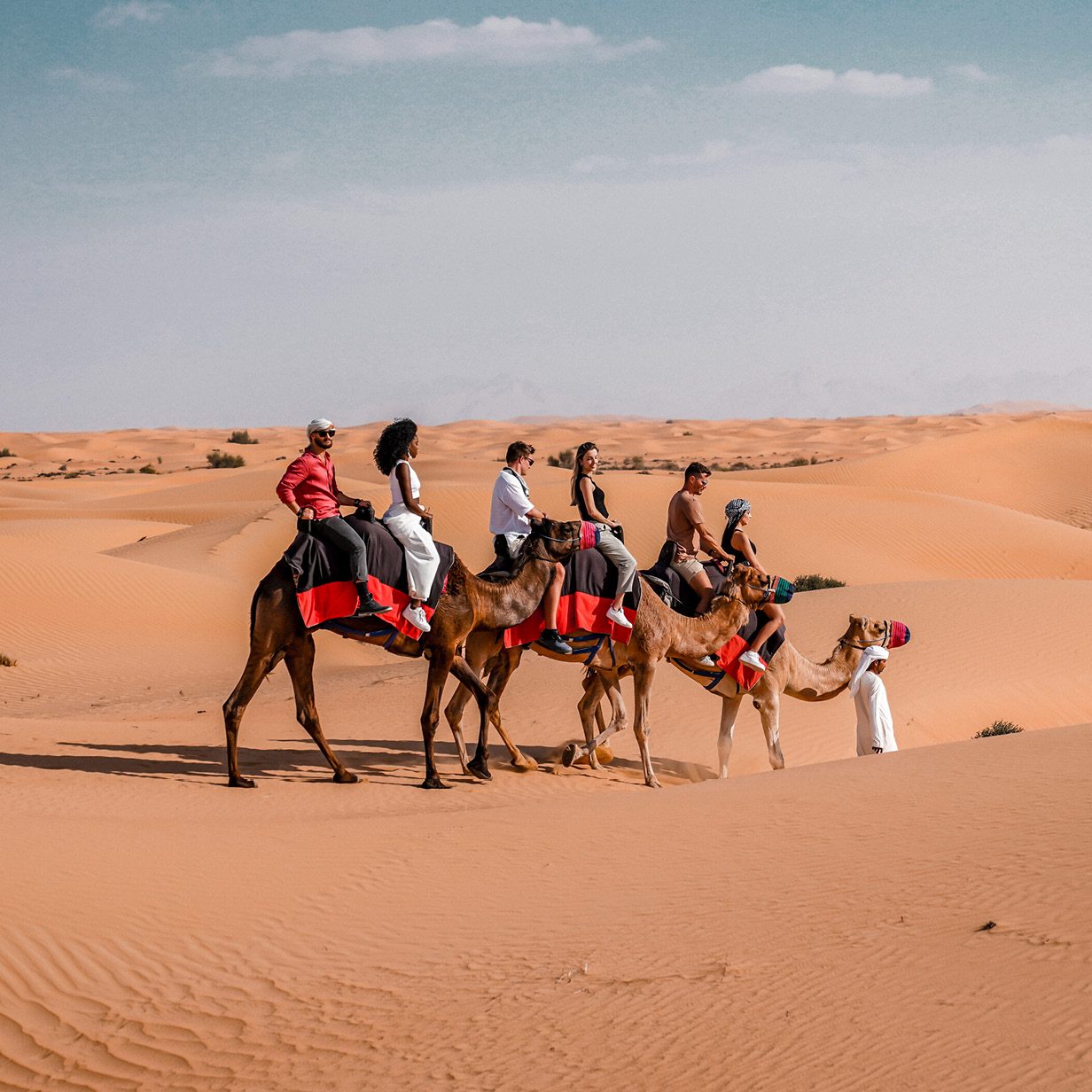
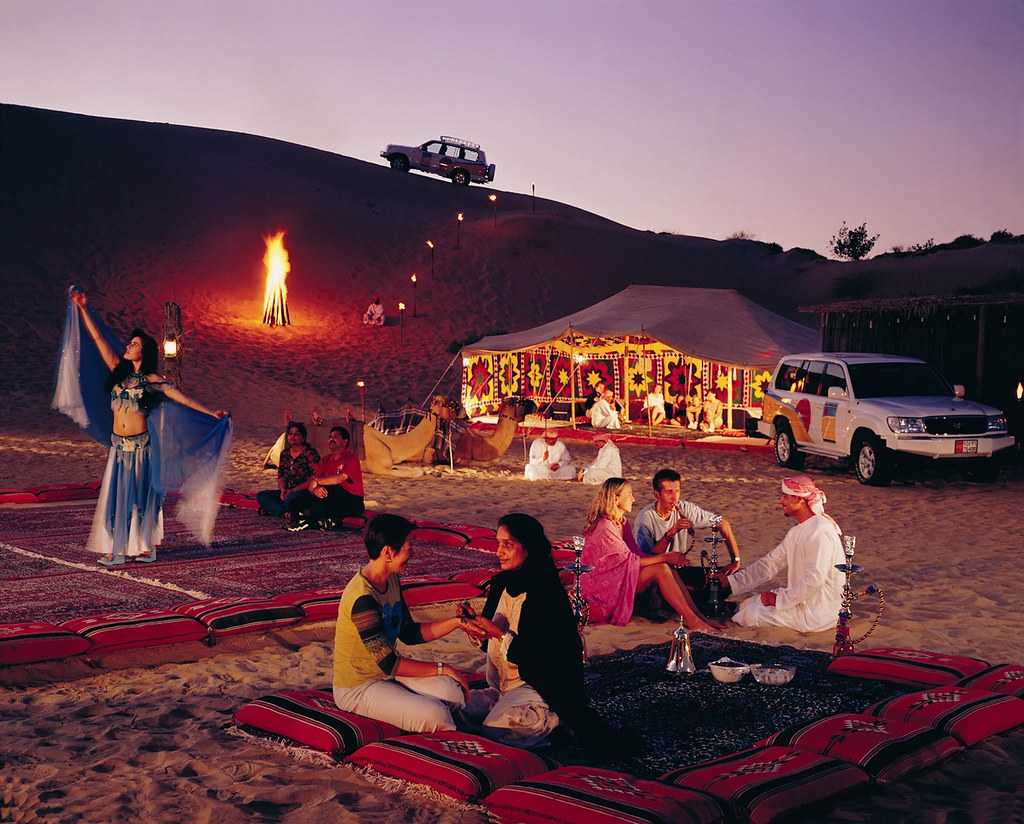
You descend on foot to a flat where camels are tethered and sandboards lean against a supply truck. After a fifteen-minute camel circuit and three attempts at sandboarding—wax-bottomed boards that require a steep pitch to gain speed—you return to the vehicles for a final dune run as the sun drops. By 6:30 PM you reach the Bedouin-style camp: low tables, cushioned seating areas, a fire pit for bread-making. Dinner is served at 7 PM—grilled chicken, lamb kebabs, hummus, tabbouleh—while a musician plays the oud. You leave at 8:30 PM, the desert cooling rapidly behind you.
All the details about your upcoming adventure in one place
Sharjah's desert corridor, anchored by the Mleiha Archaeological Centre, holds evidence of human settlement spanning 130,000 years. Stone tools, Umm an-Nar tombs, and pre-Islamic graves mark a landscape that served as caravan crossroads long before oil transformed the Gulf.
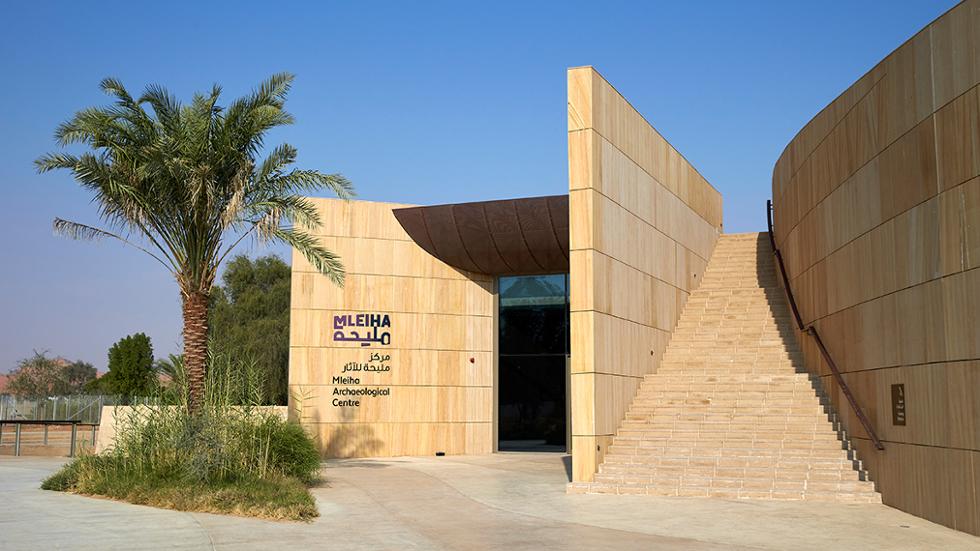
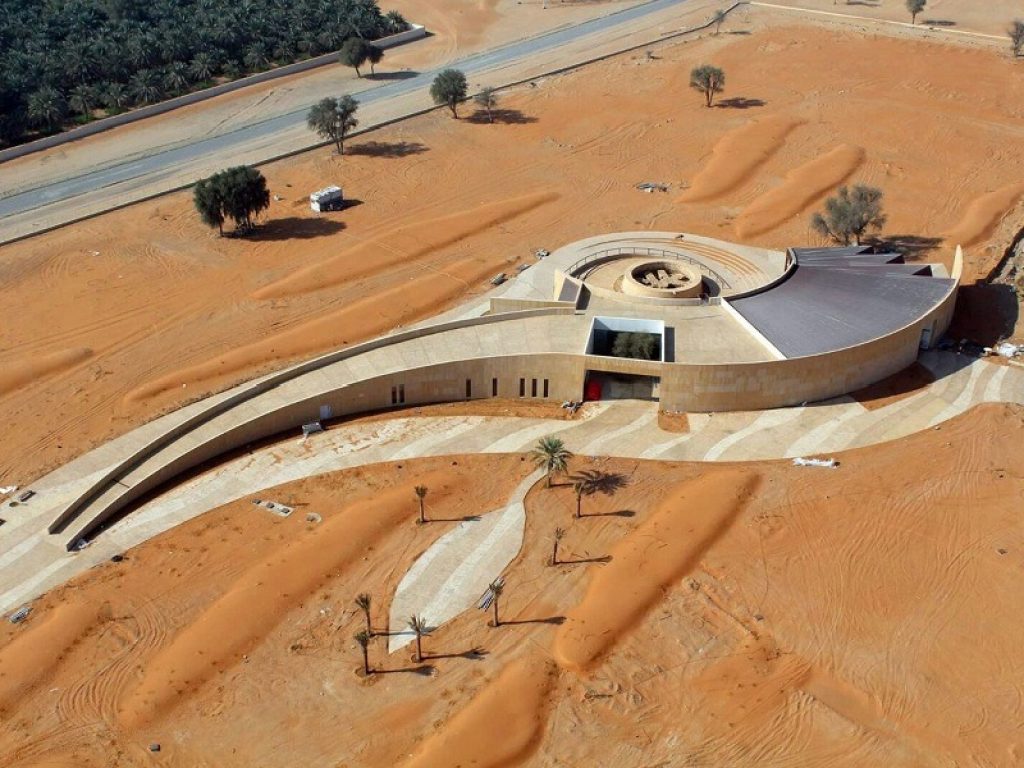
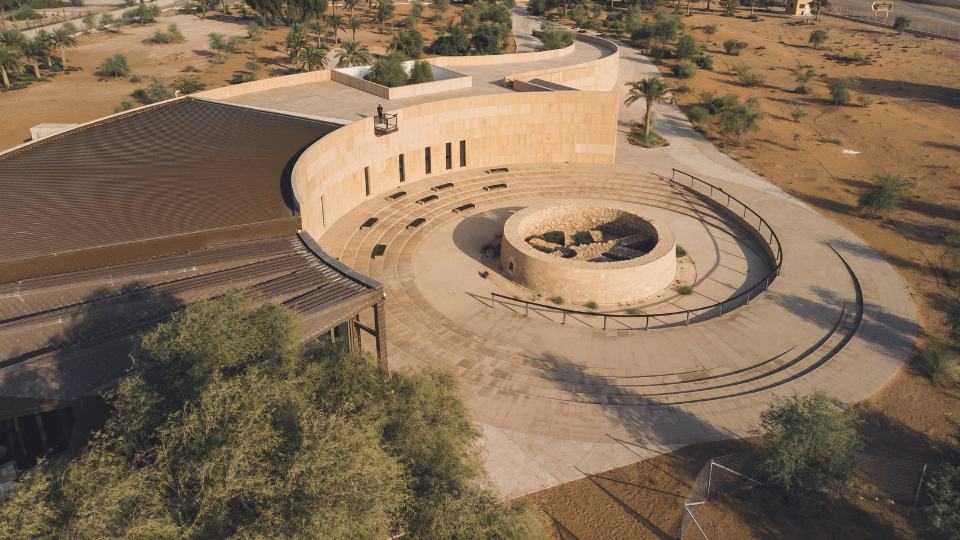
The centre itself opened in 2016, a low-slung structure designed to echo the fossilised dunes that rise behind it. Twenty kilometres east of the emirate's urban edge, Mleiha sits where the Hajar foothills dissolve into sand.
Today the region draws visitors less for its museum cases than for the desert that surrounds them. Red dunes climb to 300 metres in places, their iron oxide tint deepening at dusk. Tour operators run sunset circuits that pair dune bashing—high-clearance vehicles descending slopes at controlled angles—with camel rides, sandboarding, and evening camps where grilled meats and flatbreads are served on low cushions. The desert safari Sharjah ticket price structure reflects package length and inclusions: half-day excursions without meals start around AED 150, while evening programs with BBQ dinners and cultural performances range from AED 200 to AED 350 per person.
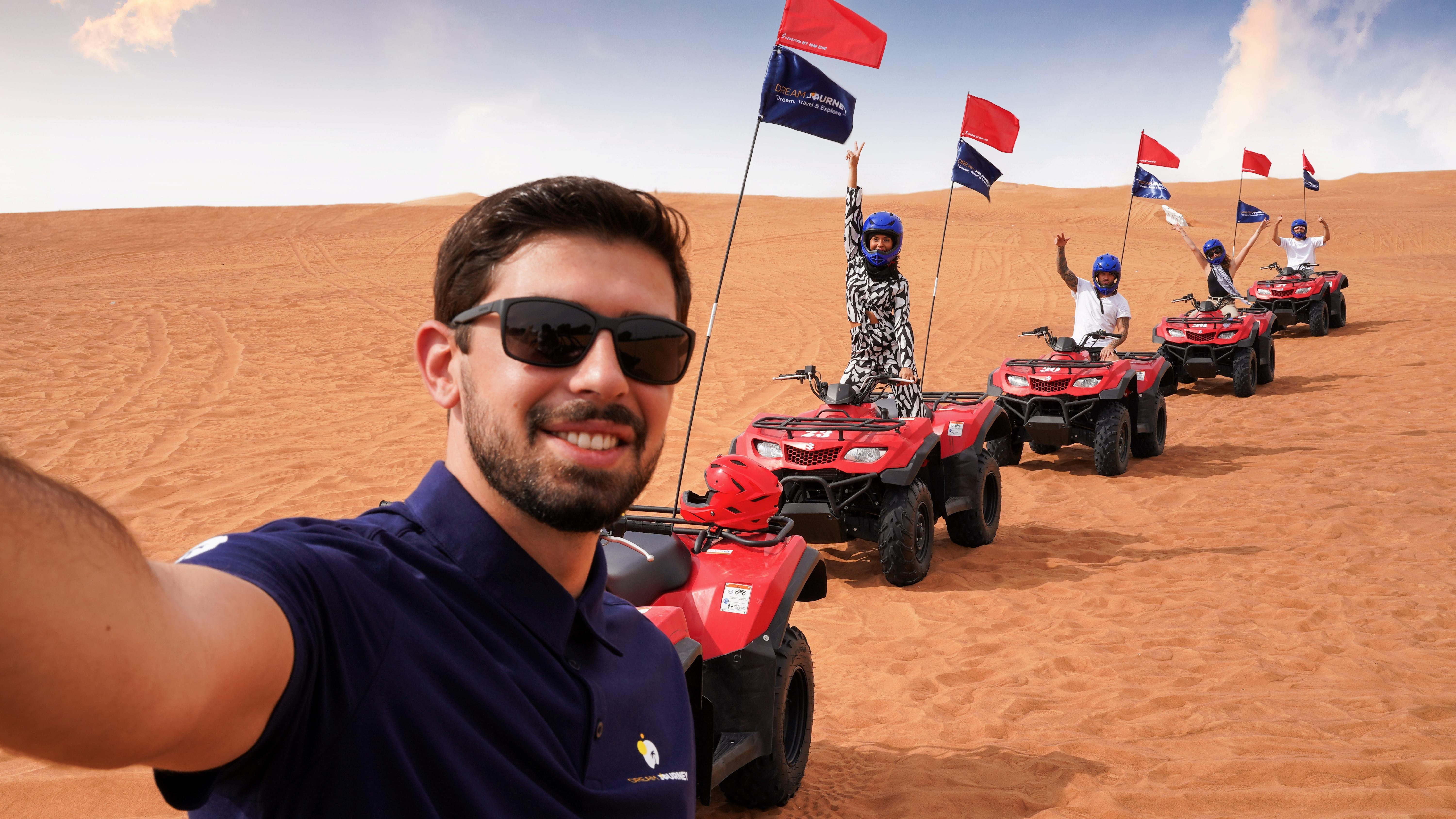
Mleiha's appeal lies in proximity and contrast. Forty minutes from Sharjah's coast, the site offers quad biking across hardpan flats, guided hikes to Fossil Rock—a Miocene-era outcrop where marine shells protrude from compacted sediment—and stargazing programs that benefit from the emirate's dark-sky designation. The archaeological centre's galleries trace climate shifts through pottery shards and bronze daggers, but most groups spend under an hour indoors before heading to the dunes.
Desert safari Sharjah ticket price tours operate year-round, though summer months see departure times pushed to late afternoon to avoid midday heat that exceeds 45°C. Winter and spring draw the majority of bookings, when temperatures settle between 18°C and 28°C and wildflowers briefly carpet the wadi floors. Operators provide round-trip transport from Sharjah and Dubai hotels, with pickup times staggered to reach the dunes an hour before sunset. The Mleiha corridor remains less trafficked than Dubai's Lahbab Desert, a distinction that appeals to visitors seeking wider sight lines and quieter camps.
Twenty kilometres east of the emirate's urban edge, Mleiha sits where the Hajar foothills dissolve into sand.
Visitors should wear modest, loose-fitting clothing suitable for a desert environment. Comfortable walking shoes are required for navigating sandy archaeological paths.
Standard backpacks are permitted, but may be subject to a routine security check. Avoid bringing large suitcases that cannot be easily transported during the outdoor desert safari sharjah ticket price tours.
Photography is permitted in most outdoor areas for personal use. Avoid capturing images of restricted archaeological research zones or staff without explicit permission.
The centre is suitable for families and offers educational insights for all ages. Please monitor children closely near the desert dunes and during outdoor desert safari sharjah ticket price excursions.
The Mleiha Archaeological Centre provides accessible ramps and paths for guests with mobility needs. Most desert safari sharjah ticket price tour experiences may require assistance for guests using wheelchairs.
On-site dining options serve refreshments and meals. Carrying a reusable water bottle is advised to maintain hydration throughout your visit.
Opening Hours
09:00–19:00 (Sun-Wed) / 09:00–21:00 (Thu-Sat)
Address
Shabia Alkatim, Milehah, Sharjah, United Arab Emirates
Site Access
Wheelchair accessible pathways available throughout the main centre
Peak Hours
09:00–11:00 arrival window recommended
Storage
Limited storage for personal bags available at the visitor centre
Location
Mleiha Archaeological Centre, Sharjah desert region
Car · N/A · N/A
Follow E55 or E63 highways heading towards Mleiha from Sharjah city center.
Full refunds are provided for cancellations made at least 24 hours prior to the scheduled tour. Please note that the 20 AED entrance fee is distinct from individual safari package costs.
Recommended time
4-6 hours
To fully experience the Mleiha Archaeological Centre, allocate enough time for both the indoor museum exhibits and outdoor desert safari Sharjah ticket price excursions. Visitors should plan for a half-day stay to allow for fossil exploration and guided dune drives without rushing through these Sharjah landmarks. Those seeking a more relaxed desert safari sharjah ticket price tour may extend their visit into the evening to observe the night sky, while groups opting for rapid desert safari sharjah ticket price tickets should prioritize the main gallery walk-through to maximize their schedule.
Crowd levels through the day
Weather · crowds · average price — dots go green to amber to red as each metric rises.
September to November offers milder temperatures and clear skies for desert safari sharjah ticket price tickets.
Ensure your desert safari sharjah ticket price tickets are secured online to avoid wait times.
Mleiha's archaeological significance extends across 130,000 years of continuous human habitation, making it one of the Arabian Peninsula's most important prehistoric and historic sites. The first systematic excavations began in 1986 under a Belgian-Emirati collaboration, revealing stone tools from the Paleolithic era that proved human presence in the region during wetter climatic periods. These early inhabitants hunted now-extinct Arabian fauna and left behind worked flint assemblages that document technological evolution across millennia. The Neolithic period, spanning roughly 8000 to 3000 BCE, saw the development of more sophisticated communities as climate shifts forced adaptation. By the Bronze Age, Mleiha emerged as a significant settlement on caravan routes linking Mesopotamia with the Oman peninsula, evidenced by distinctive Umm an-Nar pottery fragments and copper artifacts recovered from burial mounds. The Iron Age marked Mleiha's transformation into a thriving commercial hub; tombs excavated in the 1990s contained Greek amphorae, Persian pottery, and South Arabian incense burners, proving the settlement's integration into long-distance trade networks by 300 BCE. The site reached its zenith during the pre-Islamic era as capital of the Omana kingdom, referenced in Pliny the Elder's Natural History. Excavations uncovered a fort, residential quarters, and an elaborate irrigation system that sustained agriculture in the arid environment. Gold coins minted locally and stamped with Aramaic script demonstrate political autonomy and economic sophistication. The desert safari Sharjah ticket price for museum access includes viewing these artifacts, while the broader desert safari Sharjah ticket price tours encompass the fort ruins and burial complexes that anchor the site's historical narrative. The settlement declined after the 3rd century CE as trade routes shifted, leaving the desert to reclaim structures that would remain buried until modern archaeological investigation revealed Mleiha's role as a crossroads of ancient civilizations.
Stone tool assemblages document Paleolithic hunter-gatherers exploiting the region during periods of increased rainfall.
Neolithic communities adapt to desertification, developing seasonal settlement patterns and refined lithic technologies.
Bronze Age trade networks emerge, with Mleiha positioned along caravan routes connecting Mesopotamian cities to Omani copper sources.
Iron Age Mleiha flourishes as Omana kingdom capital, minting coins and importing ceramics from Greece, Persia, and South Arabia.
The settlement reaches peak prosperity with fort construction, sophisticated irrigation, and manufacture of distinctive thin-walled pottery.
Trade route shifts precipitate gradual abandonment, with structures succumbing to sand accumulation over subsequent centuries.
Belgian-Emirati archaeological partnership initiates systematic excavation, establishing the site's 130,000-year occupational chronology.
Mleiha Archaeological Centre opens to the public, providing museum access and guided interpretation of excavated fort and tomb complexes.
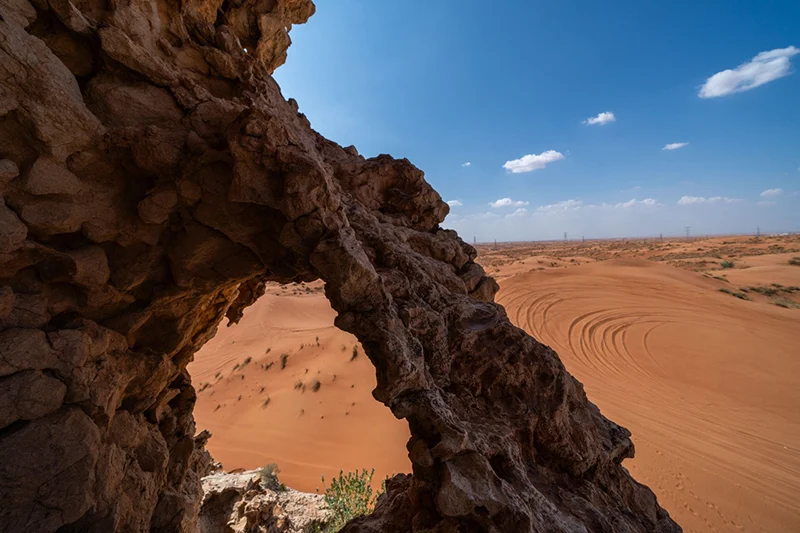
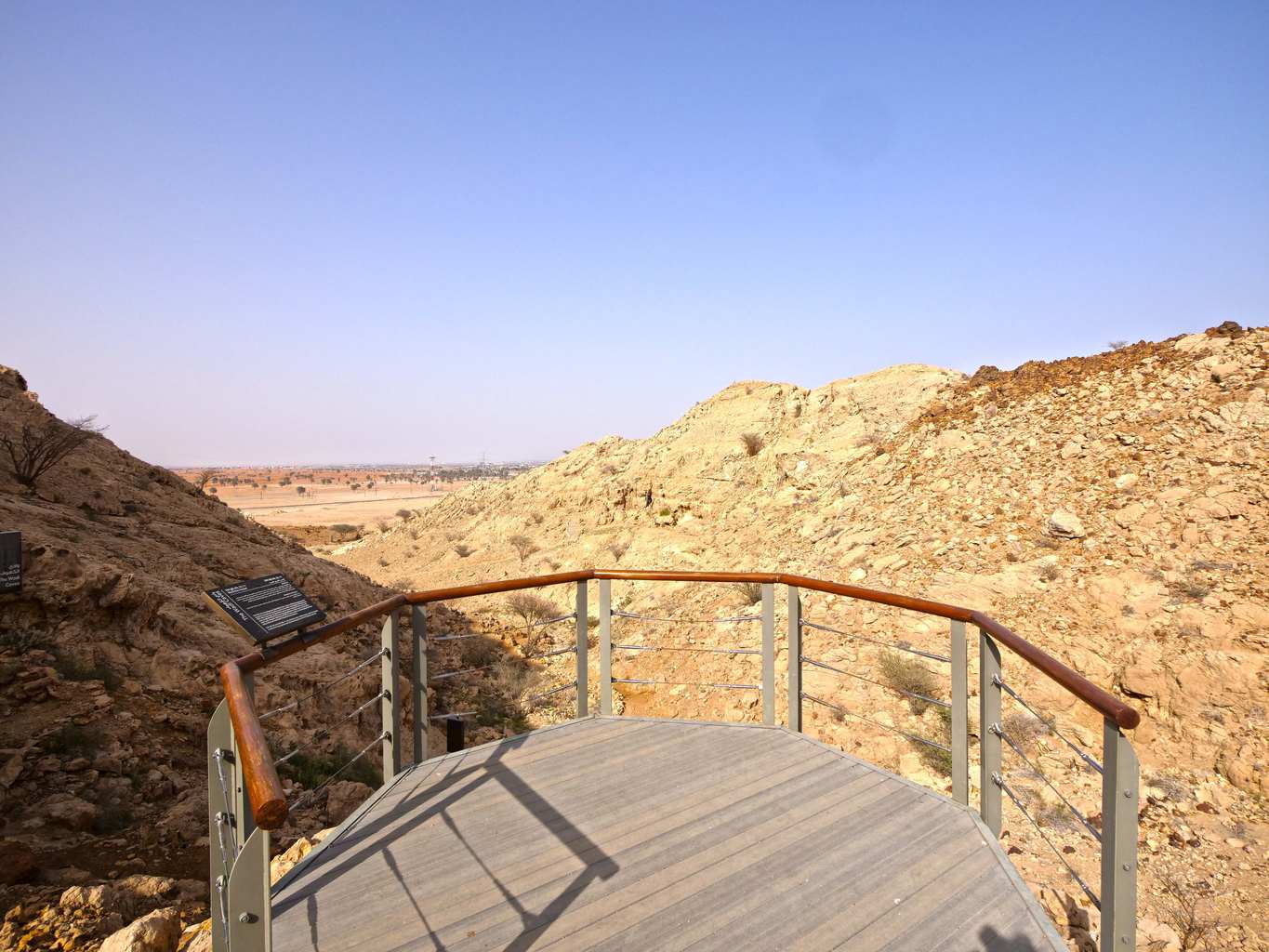
A limestone outcrop rising from the gravel plains, split by a natural crevice that frames the surrounding desert on both sides. Climb partway up the informal trail for a wide shot over the dunes, or shoot from the base road at dusk when the rock glows orange.
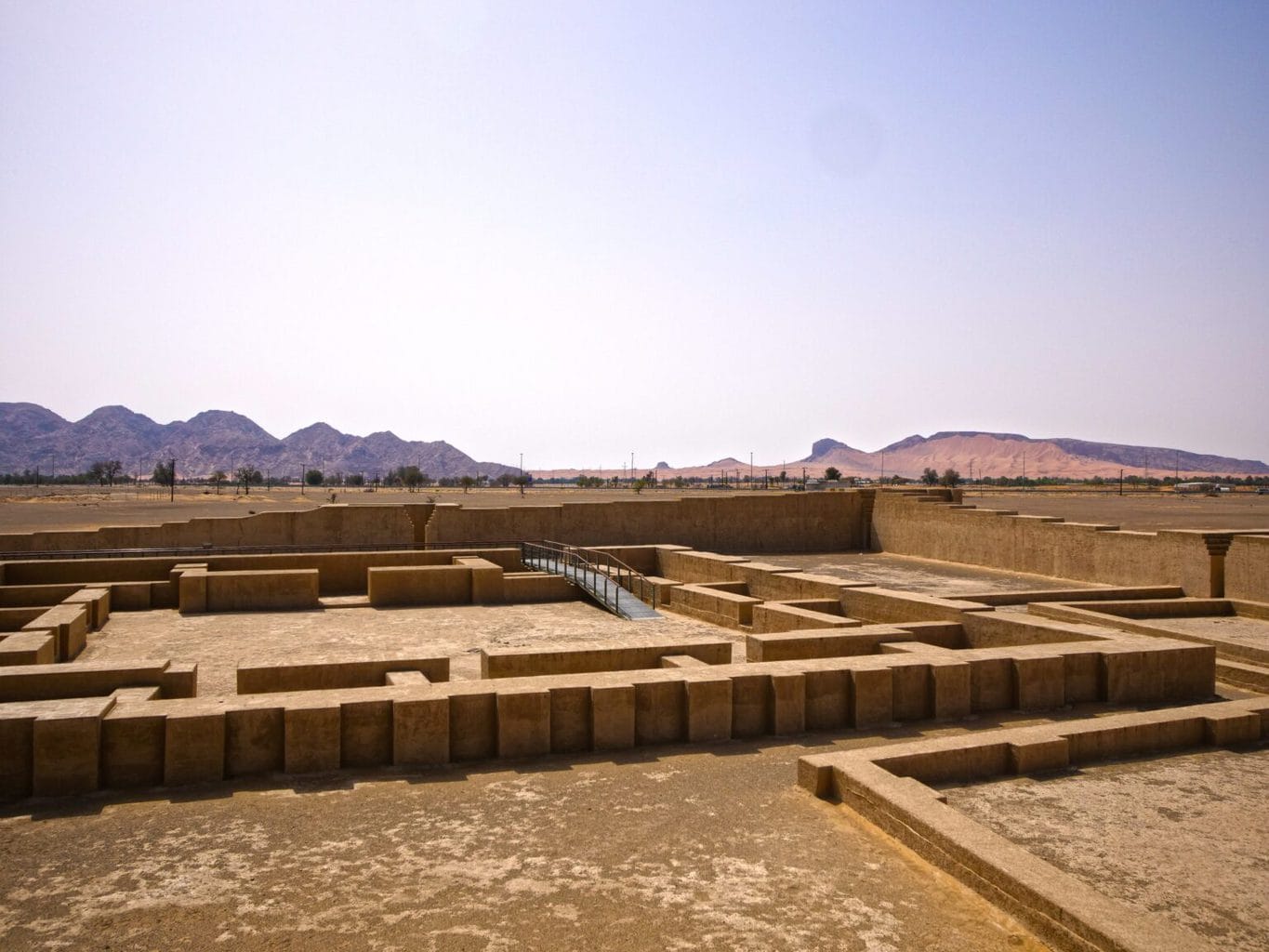
Sun-dried mudbrick walls of this Bronze and Iron Age structure sit low against the gravel plain, with excavated foundations visible from the marked walkway. Stand at the perimeter fence line for a clean frame of the ruins against open sky.
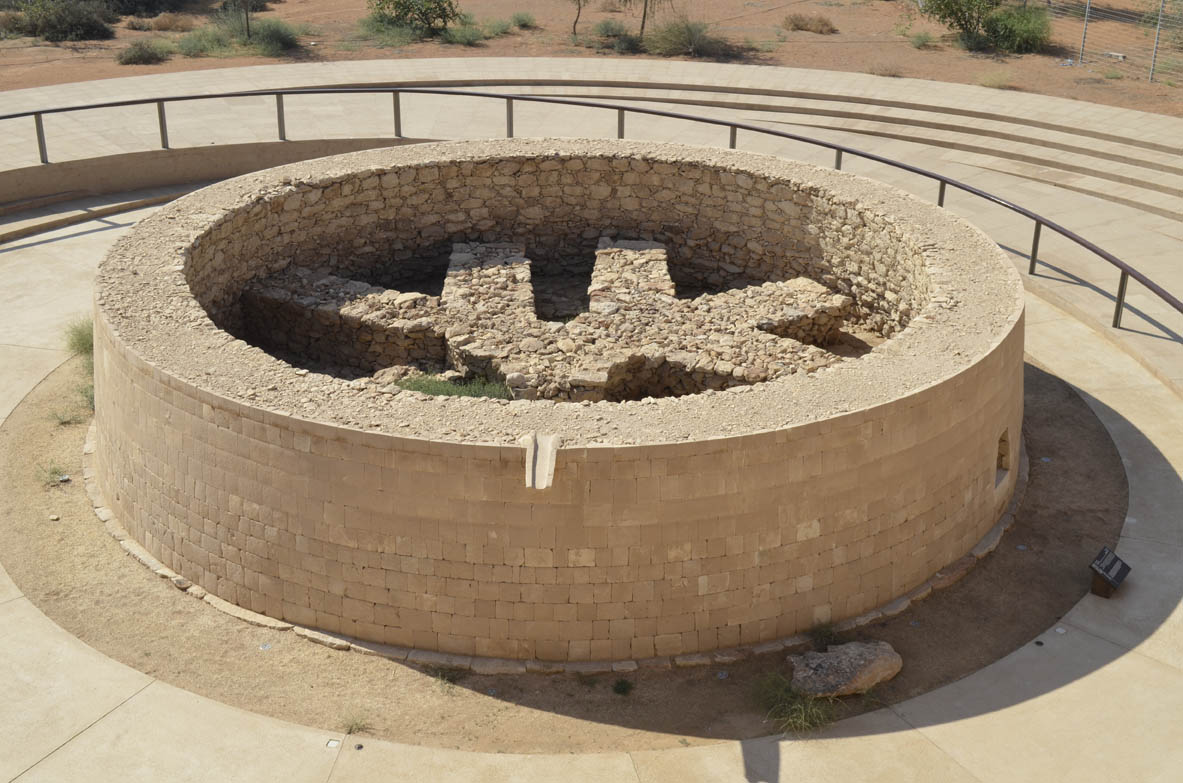
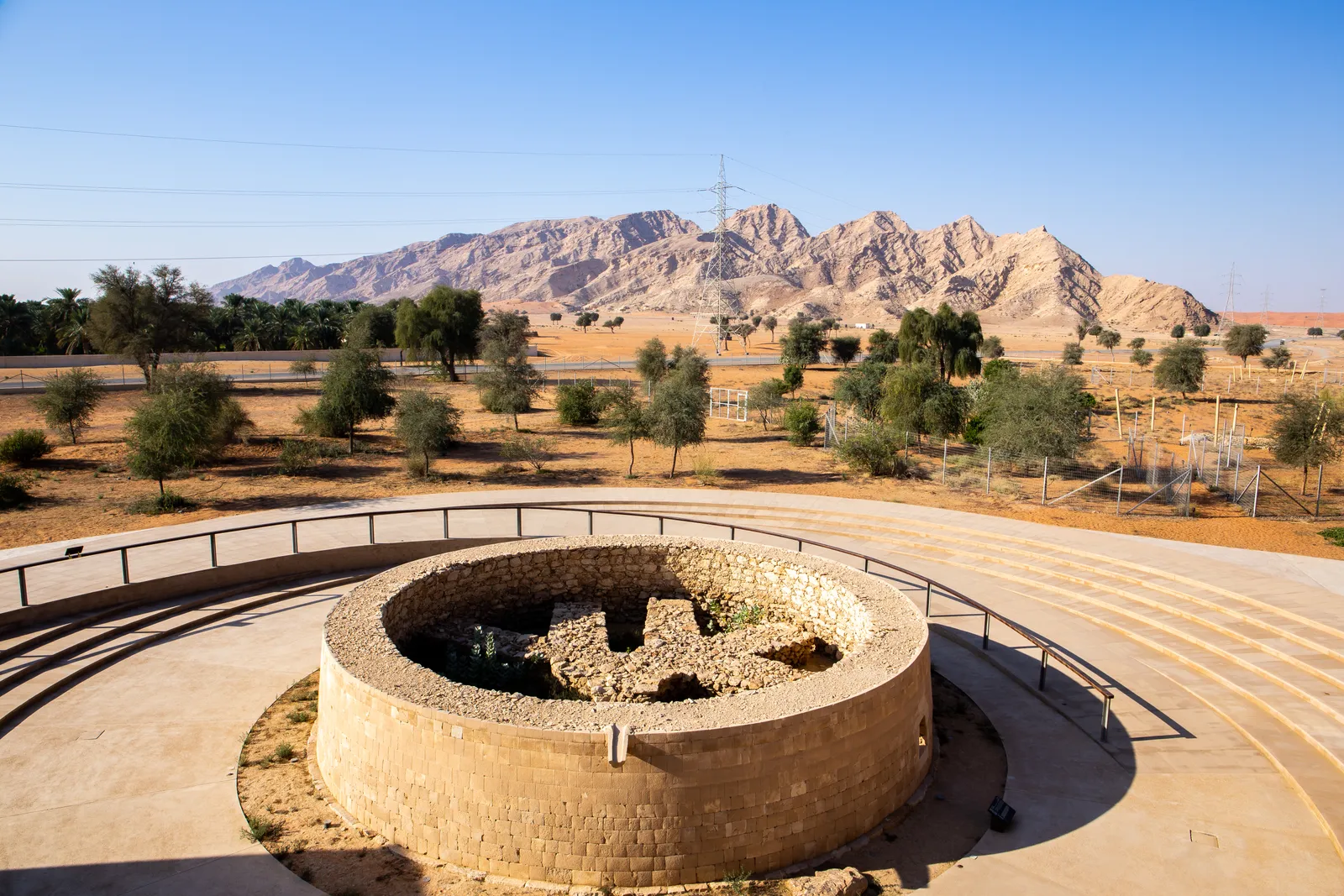
A restored circular Bronze Age tomb with concentric stone rings, one of the best-preserved funerary structures on site. The circular masonry pattern reads clearly from slightly elevated ground a few steps back from the structure.
The modern low-slung museum building uses angular concrete and glass to echo the desert horizon, with a long approach path that leads the eye toward the entrance. Photographers touring the site as part of a desert safari sharjah ticket price itinerary often start here before heading out to the open desert zones.
A rocky outcrop overlooking the wider Mleiha basin, offering a panoramic view across the excavation zones and distant mountains. Access is via a short unmarked path near the eastern site boundary, best reached on foot.
Exploring the ancient landscape with children requires careful planning, starting with understanding the desert safari sharjah ticket price. Navigating the archaeological site as a family is manageable when you prioritize comfort and timing during your visit.
Standard strollers are difficult to use on the natural desert terrain, so a child carrier is recommended for younger children. The museum facility provides easier access for those using mobility aids.
The site offers educational value for all ages, though children aged six and older typically gain the most from the fossil exhibits and guided Sharjah desert tours. Younger children often enjoy the open outdoor spaces but may require closer supervision near uneven ground.
Baby-change facilities are available within the main centre building, providing a quiet space away from the heat. This Mleiha archaeological centre tour is designed to keep primary needs accessible before heading into the dunes.
Given the expansive nature of the site, plan for frequent breaks to keep children hydrated and energized. You may view desert safari sharjah ticket price tours options to find shorter, family-focused itineraries that avoid overexertion.
The desert climate demands high-SPF sunscreen, wide-brimmed hats, and lightweight clothing for every family member. Checking the desert safari sharjah ticket price tickets ahead of time helps you select morning slots that align with cooler temperatures.
Visitors seeking refreshment near the desert safari sharjah ticket price experience can dine directly at the Mleiha Archaeological Centre, which houses an on-site cafe perfect for relaxing after exploring local Sharjah landmarks. Guests looking for desert safari sharjah ticket price tours will find limited options outside the immediate facility, making the center’s own dining area the most convenient choice.
This venue offers light snacks, refreshments, and traditional coffee in a quiet setting. It serves as an ideal break point for those who have purchased desert safari sharjah ticket price tour packages and wish to rest before continuing their outdoor activities.
Located within the archaeological site, this restaurant provides a broader menu featuring regional dishes. It is recommended for visitors holding desert safari sharjah ticket price tickets who prefer a sit-down meal during their visit.
Everything you need to know for your journey
The entrance fee is 20 AED per person for access to the museum.
Yes, various desert safari sharjah ticket price tour packages are available depending on the day of the week.
The centre is open from 09:00–19:00 Sun-Wed and 09:00–21:00 Thu-Sat.
It is highly recommended to book your desert safari sharjah ticket price tickets online in advance to guarantee availability.
Yes, the best arrival window is 09:00–11:00 to avoid mid-day heat.
Photography is allowed for personal use in designated outdoor areas of the Mleiha Archaeological Centre.
Cancellations made at least 24 hours in advance qualify for a full refund on your desert safari sharjah ticket price tour.
Yes, families are welcome, though some desert safari sharjah ticket price activities may have age-related safety requirements.
Yes, the main Mleiha Archaeological Centre is wheelchair accessible with paved paths.
A natural limestone outcrop featuring ancient marine fossils.
A unique desert formation resembling a resting camel.
Glamping experiences located within the desert site.
Wide selection of hotels located in the main city.
Join thousands of happy travelers who have discovered this incredible experience
Book Your Experience Now